 spotongaragedoor@gmail.com
 (916) 501-6362


Start with what the door actually does
A garage door that opens normally but will not close often points to the safety-sensor system. The two photo eyes near the bottom of the opening need a clear path between them. An interrupted beam or a sensor fault can prevent closing even when the remote and motor still work.
First note whether the door refuses to move, travels partway and reverses, or reaches the floor and opens again. These are different symptoms. Recording the stopping point helps narrow the inspection instead of replacing the opener simply because it will not finish a cycle.
Safe checks before you request service
Keep everyone out of the opening. From a safe position, look for a storage bin, broom, leaf or other object interrupting the sensor beam or door path. If the door and its hardware look stable, remove the obstruction without standing beneath the door. Gently wipe accessible sensor lenses with a soft, dry cloth.
Look at the sensor indicator lights without pulling wires or moving loaded door hardware. Make a note of any light that is off or flickering. After clearing a simple obstruction, try one normal cycle with the opening in view. If the door still refuses to close or reverses again, stop testing and arrange an inspection.
What blinking sensor or opener lights can tell you
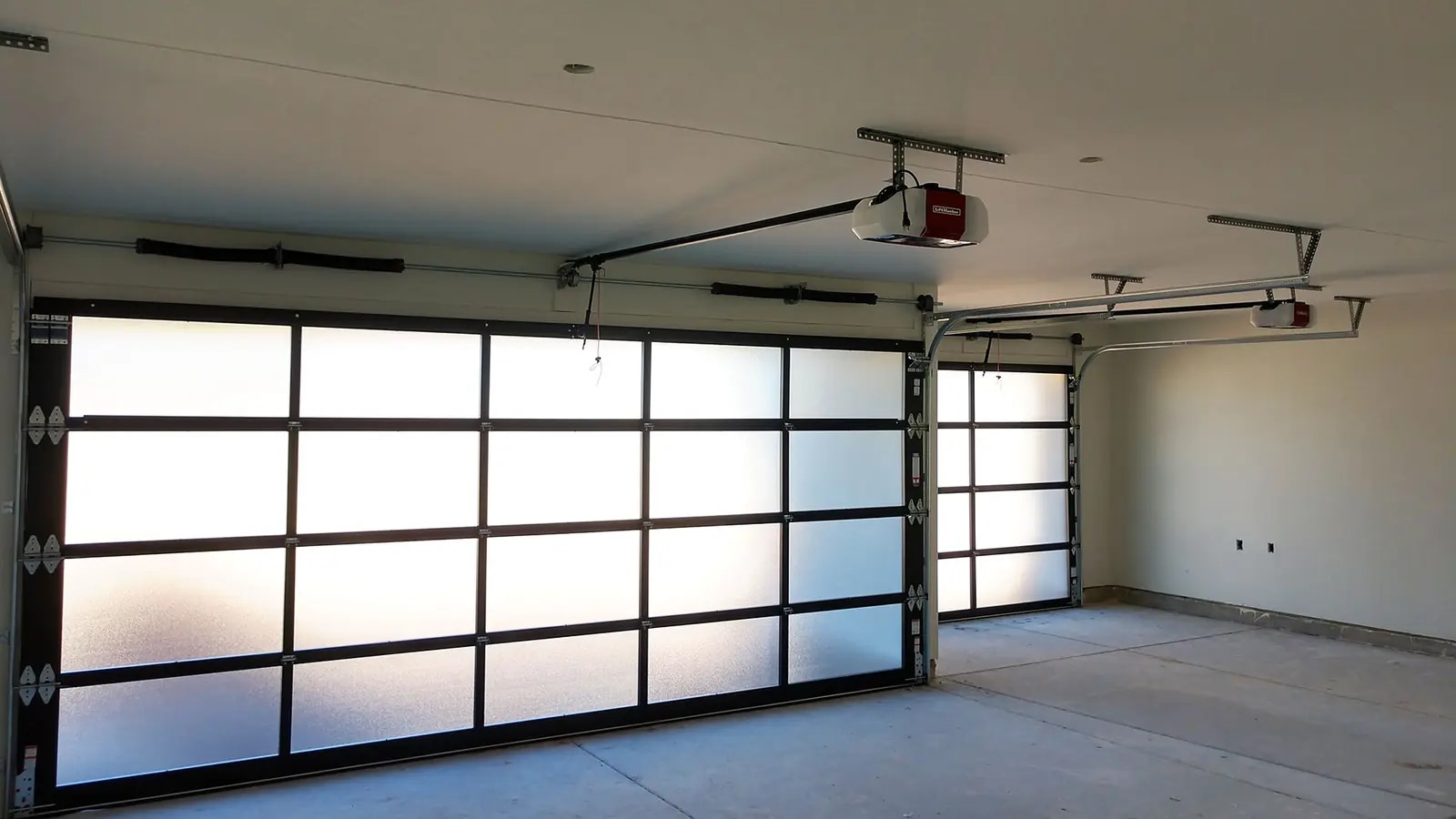
On supported Chamberlain and LiftMaster models, a blinking or unlit receiving-sensor indicator can accompany an alignment or connection problem. Some models also flash the main work light or display repeating UP/DOWN arrow codes. The meaning depends on the opener model; a flash count from a different unit may not apply to yours.
Photograph the model label and record the exact light pattern. Use the matching manufacturer manual to interpret it. Replacing sensors by appearance alone can miss a damaged wire or compatibility issue.
Does it happen only at certain times of day?
Direct sunlight can interfere with a receiving photo eye on some systems. If closing trouble repeats in the morning or afternoon but disappears later, record the time and whether sunlight reaches the lens. That pattern is useful evidence, although it does not establish the cause by itself.
A technician can evaluate alignment, wiring and any model-compatible shielding. Keep sensors in their required positions and fully functional; covering or bypassing them defeats the protection they provide.
Both sensor lights are steady, but the door still reverses
Visible sensor lights are only part of the picture. A door that binds, has damaged rollers or tracks, or encounters an obstruction can still reverse. Travel settings and opener faults can also be involved. Note any scraping, shaking or change in speed, and tell the technician whether the problem began after an impact or recent work.
The inspection should cover the door and lifting system as well as the opener. Increasing closing force to overcome resistance can conceal a mechanical problem. Lubricant will not correct a broken spring, damaged cable or bent track.
When to stop using the door
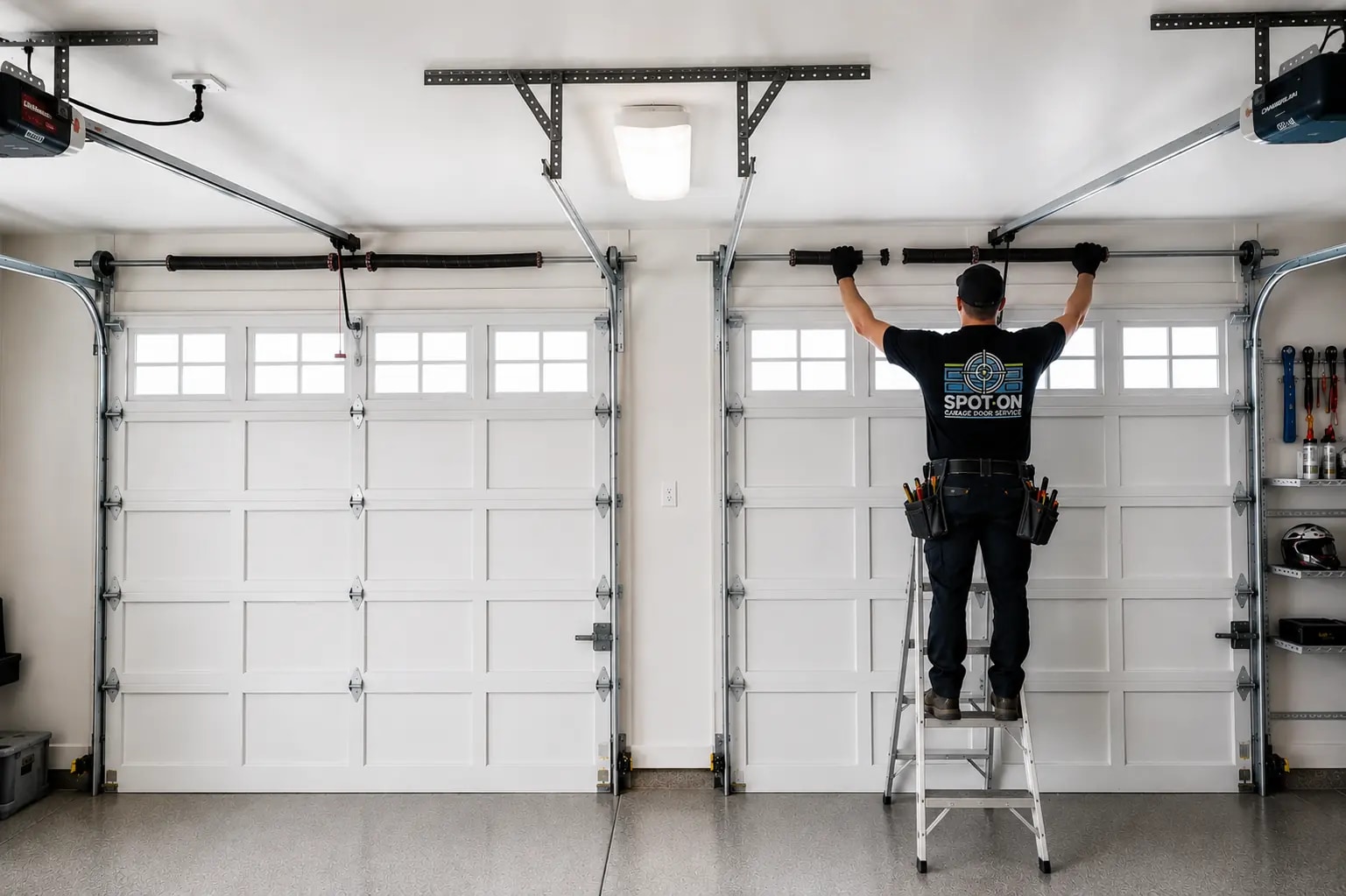
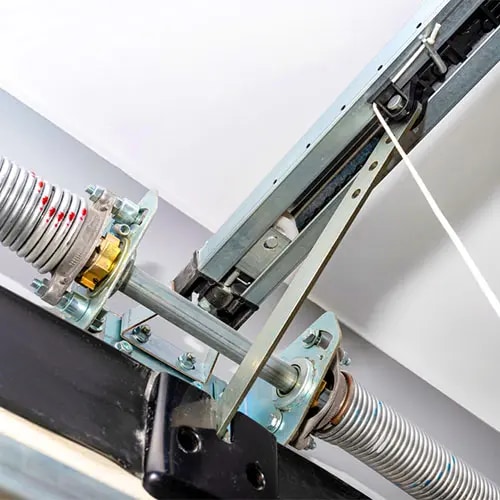
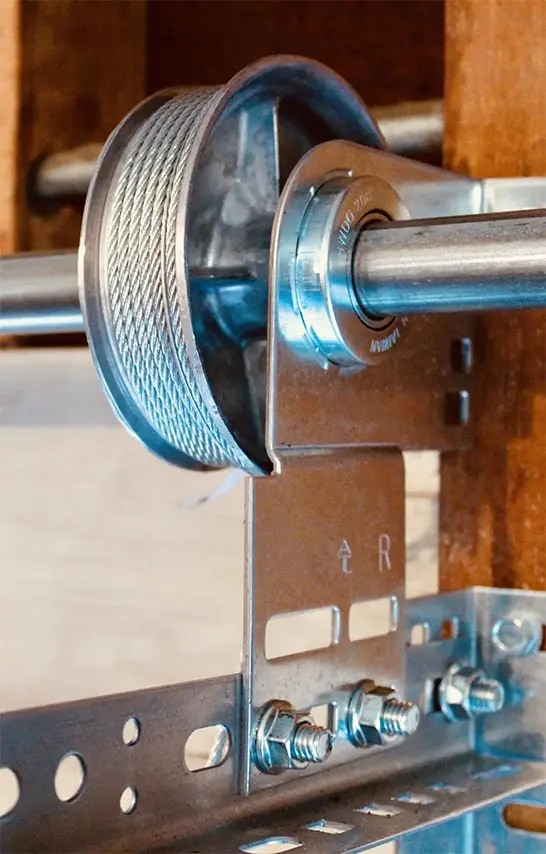
Keep clear if the door hangs unevenly, a cable is loose, a roller has left the track, a spring has a visible gap, or a section is damaged. Do not pull the emergency release on an open, unsupported or damaged door to force it closed. Springs, cables, drums and bottom fixtures require trained service.
If the door fails its manufacturer-prescribed safety-reversal test, take it out of use until it is repaired. The U.S. Consumer Product Safety Commission identifies non-reversing garage door openers as a hazard.
Get help in Roseville or Rocklin
Tell Spot On Garage Door where the door stops, which controls work, what lights flash and whether the garage is stuck open. Photos of the full inside of the door, sensor lights and opener label can help us prepare. Take photos only from a safe position.
Call (916) 501-6362 or request a visit through our website. We will review the symptoms and confirm availability. A sensor repair, opener repair and mechanical door repair have different scopes; the recommendation should follow the inspection.