 spotongaragedoor@gmail.com
 (916) 501-6362



The sound is a clue, not a diagnosis
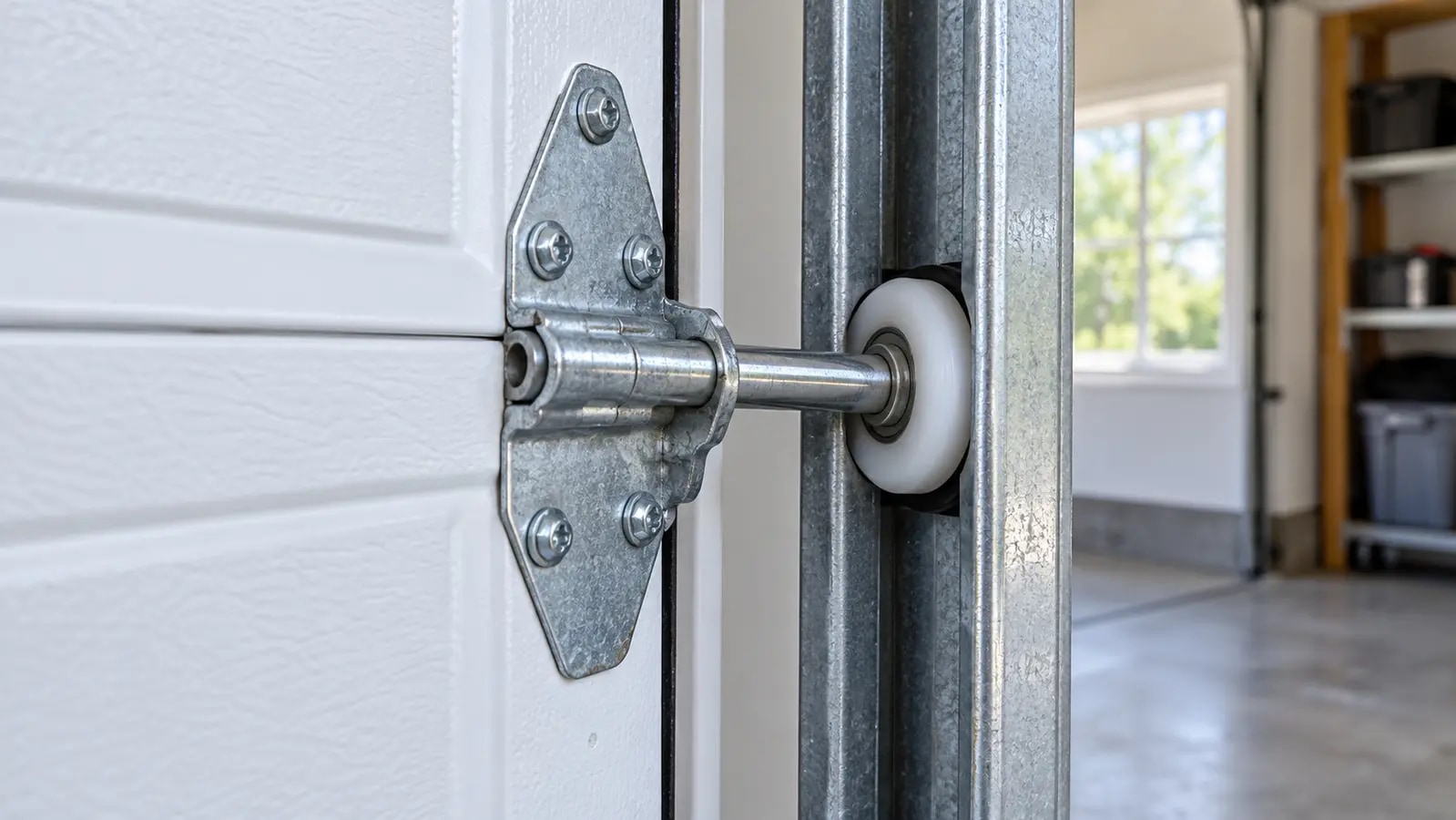
A garage door has rollers, hinges, tracks, bearings, springs, cables and an opener working through every cycle. A new noise can come from one dry pivot, but it can also be the first sign of a worn roller, a loose connection, poor balance or resistance elsewhere in the system.
Notice the sound and the movement together. Does it happen at one height, through the curved part of the track, only when the opener starts, or throughout travel? A short phone video recorded from a safe distance can help a technician hear the pattern without asking you to touch the hardware.
Start with a safe visual and listening check
Keep people, pets and vehicles clear while the door moves. Watch from inside the garage without standing beneath it. Look for shaking sections, a roller hesitating at the track curve, rubbing along one side, or an opener rail that vibrates more than usual. Check the floor and tracks for an obvious loose object or debris, but do not reach into moving hardware.
Stop the test if the door sits crooked, a roller has left the track, a cable looks loose or frayed, a spring has a visible gap, or the door becomes unusually heavy. Those conditions need repair rather than another operating cycle.
When lubrication may help a squeaking garage door
A light squeak from an otherwise smooth, level door may come from a hinge pin, bearing or other manufacturer-approved lubrication point. Clopay advises using the correct garage-door lubricant, keeping lubricant off the track surface and not applying it to nylon roller wheels. The exact points depend on the roller and door design, so follow the manual for the installed hardware.
Use only a small, controlled amount at the specified point and wipe away excess. Coating the track or spraying every visible part can attract dirt and hide the source of the noise. Penetrating products are not a substitute for the lubricant specified by the door manufacturer.
Rattling and vibration can point to wear or looseness
A rattle can come from vibrating hinges, fasteners, track supports, door sections or the opener mounting. Worn rollers may chatter in the track or move roughly through the radius. Lubrication may quiet a sound caused by friction, but it will not restore a cracked hinge, a loose roller stem, a damaged bearing or a bent track.
Note where the vibration begins and whether the door stays level. A complete inspection should separate routine maintenance from parts that need repair or replacement. Repeatedly operating the door to chase the sound can turn a small hardware problem into additional track, section or opener strain.
Grinding, scraping, popping or a loud bang needs attention
Grinding can indicate a bearing, roller or opener-drive problem. Scraping may accompany track contact, a shifted section or uneven travel. Popping near a hinge or section joint can reflect binding or damaged hardware. A single loud bang followed by a door that will not lift may be a broken spring.
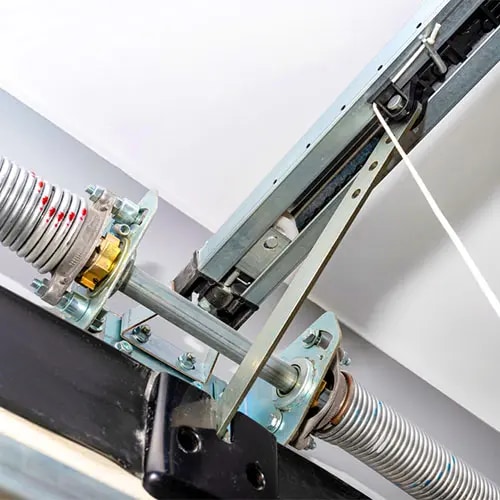
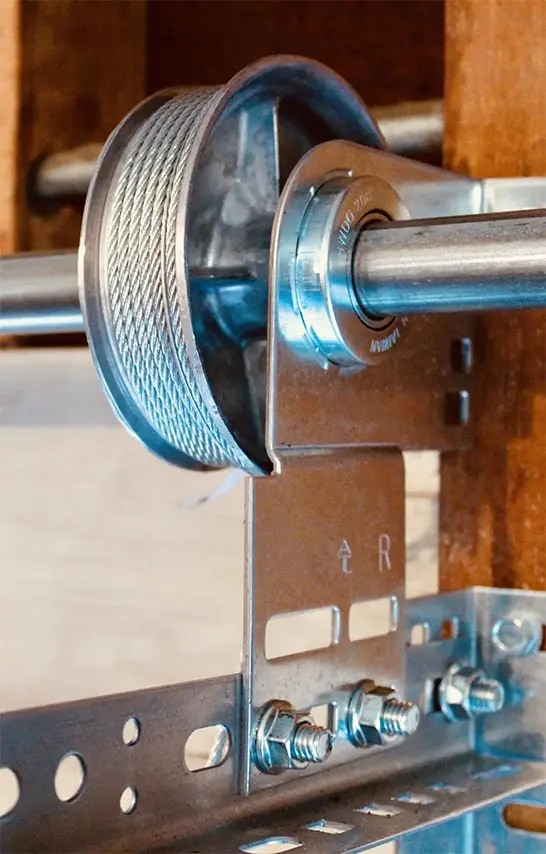
Do not loosen springs, cables, drums, bottom brackets or loaded track supports to investigate. Keep the door out of use if the sound comes with jerking, crooked movement, visible damage or a change in door weight. Lubricant cannot correct those conditions.
Is the noise coming from the door or the opener?
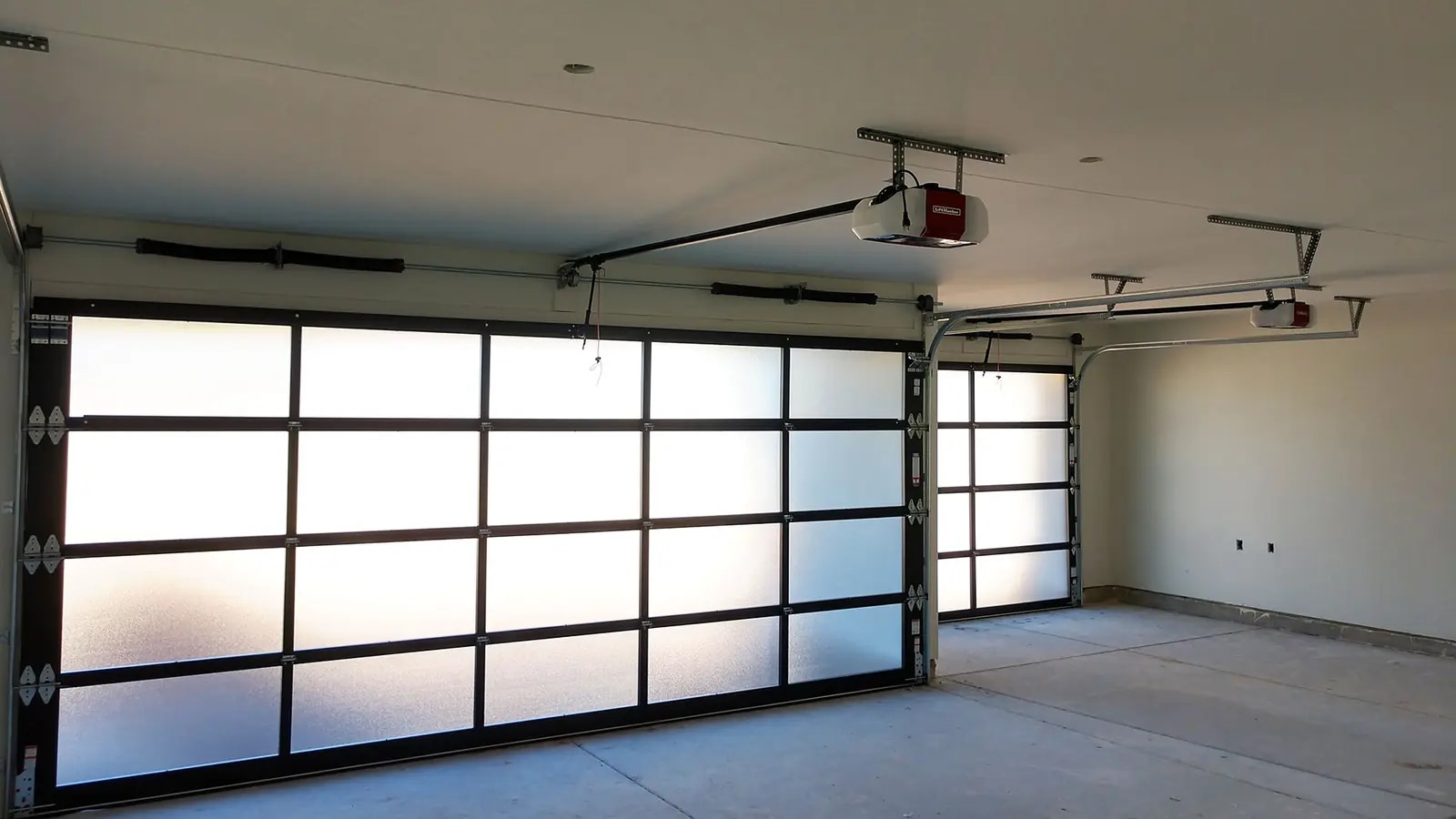
The opener can add chain, belt, screw-drive, trolley, rail, motor or mounting noise. It can also sound strained when the door itself is heavy or binding. LiftMaster lists door lubrication, track alignment and broken springs among conditions that can affect opener operation, which is why the door and opener should be evaluated as connected systems.
Record the opener model and the point in travel where the sound occurs. Drive lubrication and tension instructions are model-specific. Do not increase opener force or adjust the drive by guesswork to push a resistant door; use the matching manual or arrange service.
Get a noisy garage door checked in Roseville or Rocklin
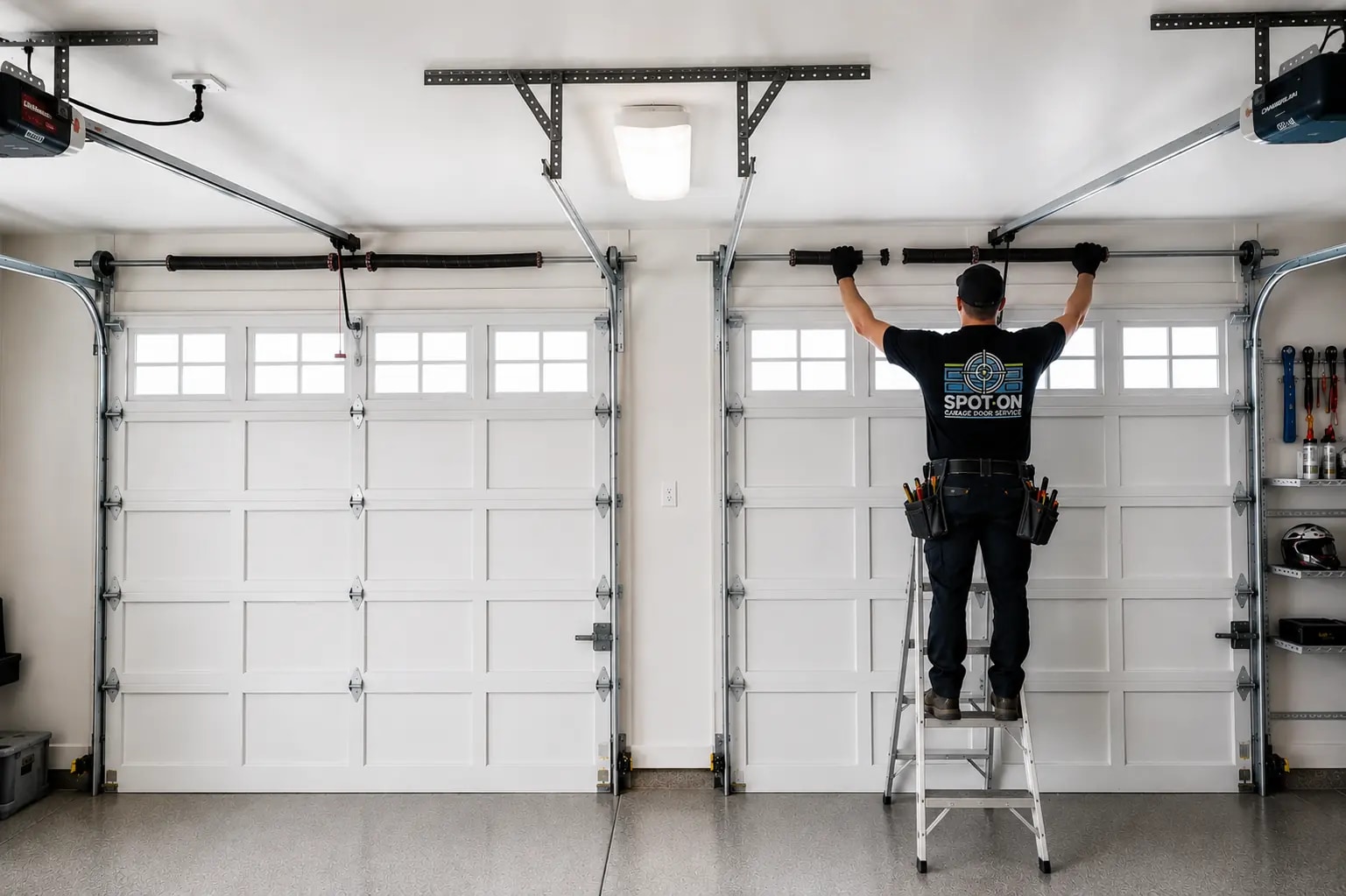
Spot On Garage Door's maintenance visit checks rollers, hinges, tracks, fasteners, balance, lifting hardware, opener behavior and appropriate lubrication points. The current $68 Lube & Tune offer includes a 21-point inspection. Repairs for worn, bent, broken or failing parts are identified separately instead of being described as routine lubrication.
When you request service, describe the sound, where it occurs and whether the door still moves smoothly and level. Call (916) 501-6362 or use the online request form for Roseville, Rocklin and nearby service areas.